
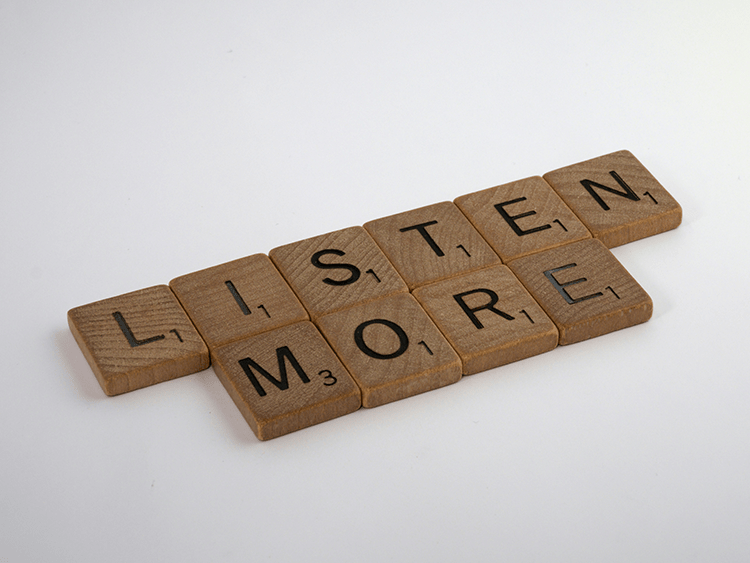
Are You Listening to Hear, or Just Waiting to Respond? The Coach’s Role in Developing Mental Toughness
You cannot develop mental toughness in your athletes simply by telling them to be mentally tough. You develop it by teaching, modeling, and reinforcing the behaviors that make mental toughness possible.
Imagine a player approaches you after practice, frustrated or questioning their ability. Before they finish explaining, you respond, “You need to be tougher,” “Forget about it and move on,” or “You just have to work harder.” Your advice may be well-intentioned, but what if the player needs something different, not another instruction, but a coach who genuinely listens?
Are you listening to understand your athlete, or simply preparing your response? Developing mental toughness requires more than motivational speeches. It requires meaningful relationships, effective teaching, and intentional practice of the mental skills athletes need to perform under pressure.
Listening Is the Beginning of Teaching
Athletes respond differently to adversity. One may become frustrated after a mistake, another may fear disappointing teammates, and another may struggle with confidence under pressure. Listening helps coaches understand these differences before deciding what to teach. Asking, “What were you telling yourself after that mistake?” or “What could you control in that situation?” encourages athletes to recognize their thought patterns and develop solutions. The goal is not simply to correct behavior but to help athletes develop skills they can eventually manage independently.
The Coach Sets the Standards
Coaches establish standards for effort, accountability, discipline, and responses to adversity. But do we also teach athletes to reset after mistakes, focus on controllable factors, use constructive self-talk, and remain composed under pressure? We cannot expect composure in competition if practice provides no opportunity to develop it. Effective coaches create environments where athletes are challenged, held accountable, and taught how to respond when things go wrong.
Listening strengthens this process because athletes are more likely to embrace expectations when they understand their purpose and know their perspectives matter.
Players Will Do What You Train Them to Do
Mental toughness is not simply a personality trait; its essential components can be strengthened through deliberate practice. Want athletes to recover quickly from mistakes? Practice the next-play response. Want them to manage pressure? Introduce pressure into appropriate training situations. Want greater confidence? Teach constructive self-talk and preparation routines.
Model these behaviors, explain their purpose, and reinforce them consistently. Then ask athletes what worked, what did not, and what they will do differently. These conversations turn experience into learning and build ownership. What coaches consistently teach, model, and reinforce becomes what athletes are more likely to practice when competition gets difficult.
Players Rise to the Standard or Fall to the Level of Tolerance
A team's true standard is revealed not only by what its coach demands but also by what the coach tolerates. If we accept negative self-talk, blame, or giving up after mistakes, those behaviors can become normalized. If we expect athletes to reset, refocus, and take responsibility, we must consistently teach and reinforce those expectations. Listening and accountability belong together. We can acknowledge frustration without accepting destructive behavior and listen with empathy while maintaining high standards. The message is simple: Your feelings matter, your challenges are real, and you are responsible for learning how to respond.
The Challenge: Coach for Growth, Not Just Performance
This week, listen to understand before offering advice. Identify one mental skill your athletes need, teach it explicitly, and create opportunities to practice it. Remember, you set the standards, your teaching shapes the behaviors, and your tolerance influences the culture. Great coaches do more than prepare athletes to win; they develop people who can respond to adversity with confidence, resilience, and purpose. Do not simply demand mental toughness. Teach it.
Model it. Practice it. Reinforce it. And listen well enough to help every athlete discover how to develop it.
Take the Next Step with “Coaching Matters”
Want practical ideas to strengthen your coaching and help athletes develop the mental skills needed to thrive under pressure? Explore more articles here at Paragon Coaching Resources’ Coaching Matters, where we share actionable strategies to help coaches build stronger athletes, healthier team cultures, and lasting success. And if you're ready to take a deeper dive into teaching mental toughness, explore The Paragon 14-Day Mental Toughness Challenge Guidebook for practical activities and strategies you can put to work with your team.
Huddle Up!
Let us know what you think! Share your experiences, stories or thoughts that guide your coaching on our new Paragon Coaching Resources Facebook page. “Like” or “Follow”. It’s always helpful for coaches to hear amazing stories. I’m looking forward to hearing from you soon.
Cell: 1-559-287-8389
Email: dennis@coachingcourses.pro