
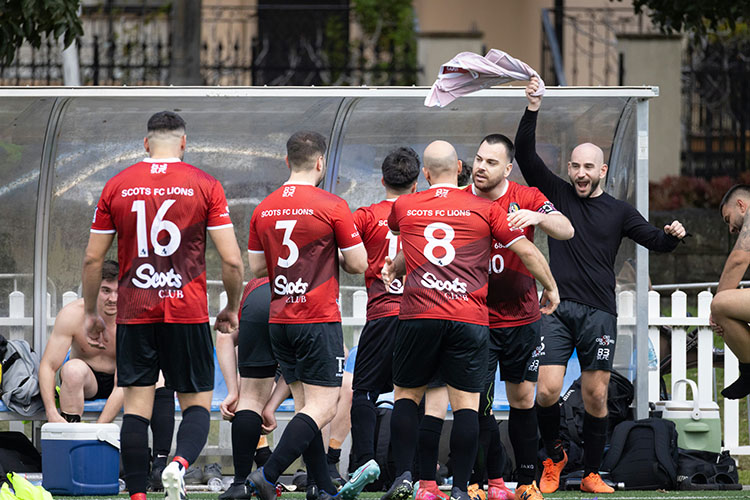
Motivation isn’t a Speech, it’s a System: How Daily Habits, Feedback, and Culture Fuel a More Consistent Effort
Every coach has delivered a passionate pregame speech. The locker room is quiet, eyes are focused, and for a moment the energy in the room feels electric. But by the middle of the second quarter—or halfway through the match—that emotional surge often fades.
Why? Because motivation built on emotion is temporary. Motivation built on systems is sustainable. The most consistently motivated teams are not the ones who hear the best speeches. They are the ones who experience consistent habits, clear expectations, meaningful feedback, and a strong team culture every day in practice. In other words, motivation isn’t something you deliver occasionally. It’s something you build daily.
Here are five system-based elements that consistently fuel athlete motivation.
- Clear Standards Create Security and Direction
Athletes are more motivated when they know exactly what is expected of them. Clear standards remove uncertainty and help athletes focus their energy on meeting defined behaviors and performance goals. When expectations are vague, motivation drops because athletes are unsure whether they are succeeding or failing.
Immediate Application:
At the start of practice, identify three daily standards such as: “Talk early,” “Sprint between drills,” or “Finish every rep.” Post them on a whiteboard and revisit them briefly at the end of practice.
- Daily Feedback Builds Belief
Athletes are motivated when they receive specific, timely feedback about their effort and improvement. Without feedback, athletes often assume they are not progressing or that their effort goes unnoticed. Effective feedback reinforces positive behaviors while guiding athletes toward growth.
Immediate Application:
During practice, aim for a 3-to-1 ratio of corrective to positive feedback. For example:
“Great hustle getting to that ball. Now let’s keep your platform angle steady on the pass.”
- Competitive Practice Environments Ignite Effort
Motivation increases when practices contain meaningful competition. Athletes naturally elevate their focus and intensity when there is a score, consequence, or challenge attached to drills. When practice becomes repetitive and predictable, energy levels drop and effort follows.
Immediate Application:
Turn a drill into a competition by adding scoring. For example: first side to 10 perfect passes, losing side performs a quick team challenge such as push-ups or resetting equipment.
- Recognition Reinforces the Behaviors You Want
Athletes repeat behaviors that are noticed and valued. Recognition doesn’t have to be elaborate—simple acknowledgement of effort, leadership, or improvement can significantly reinforce motivation. When athletes feel invisible, motivation tends to decline.
Immediate Application:
End practice with a quick “Effort Spotlight.” Highlight one athlete who demonstrated a key team behavior that day, such as communication, persistence, or encouragement.
- Culture Creates Collective Motivation
The most powerful motivational force in sports is team culture. When athletes feel responsible not just to the coach but to their teammates, effort becomes a shared standard. A strong culture transforms motivation from an individual choice into a team expectation.
Immediate Application:
Ask players once per week: “What does great teammate behavior look like this week?”
Allow athletes to identify behaviors such as encouragement, accountability, or energy, and hold each other responsible for living them out.
Final Thought for Coaches
Motivation is often misunderstood as something dramatic—a powerful speech, a highlight video, or a big emotional moment. But the truth is simpler and more powerful.
Motivation grows from what athletes experience every day.
The standards you set. The feedback you give. The culture you reinforce. When coaches consistently build systems that value effort, growth, and connection, athletes don’t need constant motivational speeches. They become motivated by the environment itself. And when that happens, effort stops being something you demand. It becomes who your team is.
Huddle Up!
Let us know what you think! Share your experiences, stories or thoughts that guide your coaching on our new Paragon Coaching Resources Facebook page. “Like” or “Follow”. It’s always helpful for coaches to hear amazing stories. I’m looking forward to hearing from you soon.
Cell: 1-559-287-8389
Email: dennis@coachingcourses.pro