
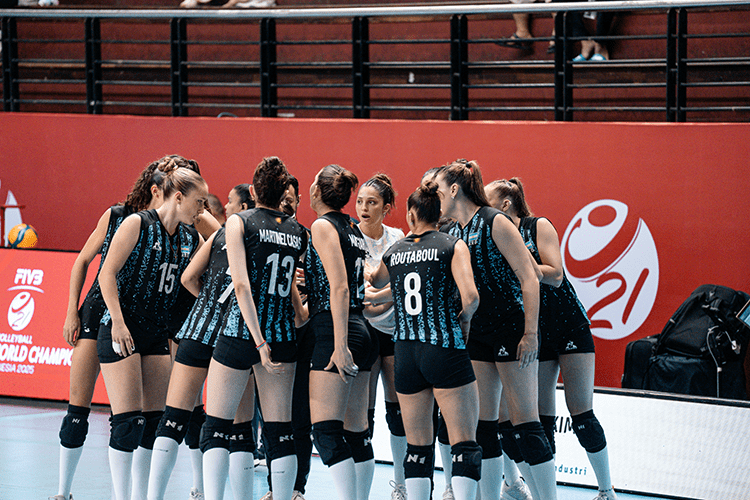
Practice Motivation vs. Game Motivation: Helping Athletes Flip the Switch When It Matters Most
Introduction: The Athlete Who Changes Under the Lights
Every coach has seen it. An athlete dominates practice—confident, vocal, sharp. Then game day arrives, and something shifts. Tight shoulders. Hesitant decisions. A different player entirely. Meanwhile, another athlete looks average all week and suddenly comes alive in competition.
This gap isn’t about effort. It’s about psychology, environment, and preparation. When coaches understand the difference between practice motivation and game motivation, they gain the tools to help athletes perform consistently—no matter the setting. Here are five reasons some athletes flip the switch—and how you as their coach can help more of yours do the same.
- Safety vs. Evaluation: Changing the Meaning of Pressure
Why it happens:
Practice feels safe. Mistakes are expected. Feedback is instructional. Games feel evaluative—by coaches, teammates, parents, even social media. Some athletes tighten up because they’re protecting their identity.
What flipping the switch looks like:
Game-ready athletes see competition as opportunity, not threat.
Coaching move:
Build evaluated reps into practice. Use scoreboard drills, consequences, pressure scoring, crowd noise, or peer observation. Make parts of practice feel uncomfortable on purpose. When pressure becomes normal in training, it becomes manageable in competition. You’re teaching your athletes: This feeling isn’t new. We’ve been here before.
- Overthinking Mechanics: Trusting Training Under Stress
Why it happens:
In practice, athletes focus on technique. Under pressure, they consciously control movements that should be automatic. The result? Tightness and slower reactions.
What flipping the switch looks like:
Athletes simplify and trust their preparation.
Coaching move:
Develop simple competition cues—one or two words that trigger instinctive play. Instead of a paragraph of mechanical reminders, use cues like:
- “Fast and fearless.”
- “See it, rip it.”
- “Strong and simple.”
Rehearse these cues during scrimmages so they become automatic anchors. When the moment speeds up, simplicity frees performance.
- Identity and Outcome: Competing Without Fear
Why it happens:
Some athletes tie their self-worth to stats, wins, or playing time. Practice feels low-risk. Games feel like judgment.
What flipping the switch looks like:
Athletes compete boldly because mistakes don’t threaten who they are.
Coaching move:
Shift your language. Ask the same questions after practice and after a game.
- “Did we compete?”
- “Did we stay aggressive?”
- “Did we communicate?”
When you consistently reward process over outcome, you help athletes detach identity from the scoreboard. Confidence grows when players know they are valued for how they play—not just the result.
- Managing Adrenaline: Turning Nerves into Fuel
Why it happens:
Athletes often misinterpret adrenaline. In practice, their nervous system is calm. In games, it spikes—and they can read it as danger instead of readiness.
What flipping the switch looks like:
Athletes recognize nerves as fuel.
Coaching move:
Build pre-performance routines in practice—not just before games.
- Three deep breaths before serving.
- A reset phrase after an error.
- A consistent visualization before a free throw.
Require these routines in scrimmages. The routine becomes the bridge between environments. When athletes know how to regulate themselves, intensity becomes an advantage instead of a liability.
- Clarity and Intensity: Defining Roles and Raising Standards
Why it happens:
In practice, athletes rotate everywhere. In games, roles narrow. Uncertainty creates hesitation. And if practice intensity doesn’t match competition, games feel overwhelming.
What flipping the switch looks like:
Athletes play decisively because they understand their job—and the speed of competition feels familiar.
Coaching move:
Before competition, define each athlete’s role in one sentence:
- “Your job is to defend and communicate.”
- “Your job is to pressure from the service line.”
- “Your job is to bring energy off the bench.”
Then raise practice standards. Add time pressure, competitive scoring, leadership accountability. When training mirrors game demands, the emotional gap shrinks.
Conclusion: Building the Bridge on Purpose
The athletes who flip the switch aren’t always more talented. They’ve simply been prepared for pressure—not just drilled in skill. As a coach, you have enormous influence over how athletes interpret competition. You can make pressure familiar. You can reward courage over caution. You can teach routines that regulate nerves. You can clarify roles so decisiveness replaces hesitation.
Bridging the practice-to-game gap isn’t about better halftime speeches. It’s about intentional design—understanding motivation, confidence, and learning science. And the encouraging truth is this: the gap is teachable. When you build the bridge on purpose, practice performance and game performance start to look the same. That’s when potential turns into consistency—and good teams become resilient ones.
Huddle Up!
Let us know what you think! Share your experiences, stories or thoughts that guide your coaching on our new Paragon Coaching Resources Facebook page. “Like” or “Follow”. It’s always helpful for coaches to hear amazing stories. I’m looking forward to hearing from you soon.
Cell: 1-559-287-8389
Email: dennis@coachingcourses.pro